How to Charge a 24V LiFePO4 Battery? Best Practice
Charging a 24V LiFePO4 battery correctly is essential for safety, performance, and long service life. While lithium iron phosphate batteries are more stable than other lithium chemistries, they still require proper charging voltage, compatible chargers, and correct charging methods.
In this guide, we’ll cover the best practices for charging a 24V LiFePO4 battery, including charger compatibility, recommended charging voltage, and different charging methods to help you safely and efficiently charge your 24V battery.
Takeaways
To charge a 24V LiFePO4 battery, you should use a 24V lithium-compatible charger with a constant current / constant voltage (CC/CV) charging profile and a maximum charging voltage of about 29.2V.
Table of Content
What Is a 24V LiFePO4 Battery?
A 24V LiFePO4 battery is a lithium iron phosphate battery system with a nominal voltage of 25.6 volts, commonly built using eight LiFePO4 cells connected in series or by wiring two 12V LiFePO4 batteries in series.
Compared with 12V systems, 24V battery systems offer:
- Lower current for the same power output
- Higher system efficiency
- Reduced cable size and heat loss
- Better performance for inverters, solar systems, and heavy loads
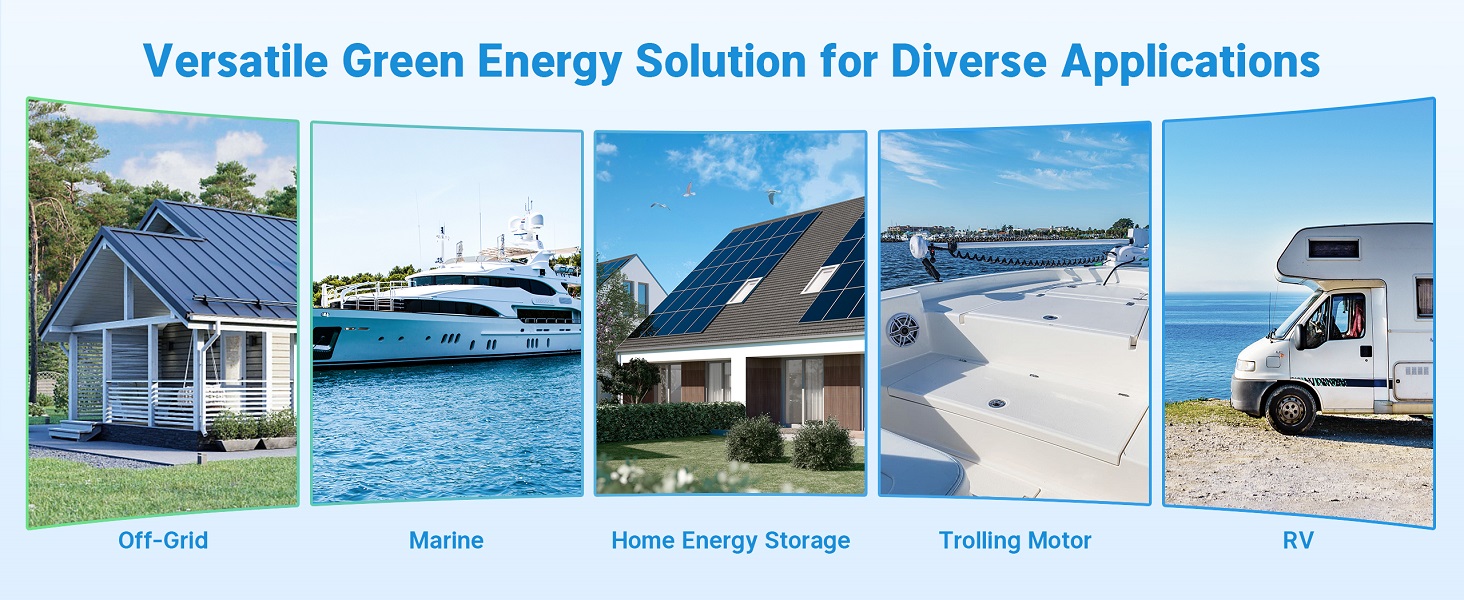
Because of these advantages, 24V LiFePO4 batteries are widely used in large RVs, solar energy storage, electric boats, industrial equipment, and off-grid cabins.
Step-by-Step: How to Charge a 24V LiFePO4 Battery Safely
Using an AC-DC lithium battery charger is the most stable and fastest way to charge a battery. In this section, we’ll explain how to charge a 24V LiFePO4 battery using a dedicated charger.
Step 1: Choose the Correct 24V LiFePO4 Charger
Always use a charger that is specifically designed for 24V LiFePO4 batteries. Avoid using lead-acid battery chargers, as LiFePO4 batteries require a different charging profile than lead-acid batteries. Incorrect charging profiles can shorten battery life or trigger BMS protection.
It’s recommended that choose a charger with built-in protections such as over-voltage, over-current, and temperature monitoring.
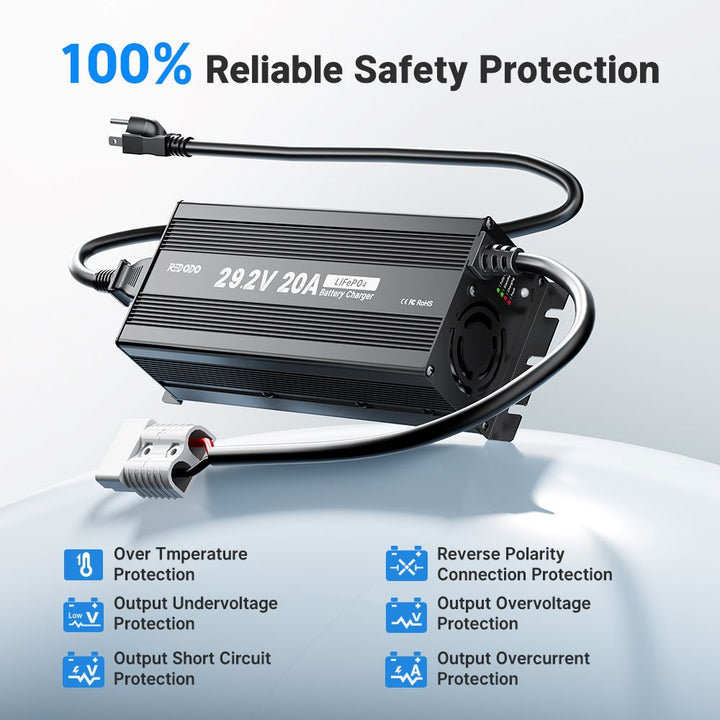
Redodo 29.2V 20A Charger for 24V LiFePO4 Battery
Step 2: Confirm the Correct Charging Voltage Settings
Before charging, verify that the charger’s voltage settings match LiFePO4 requirements.
Recommended settings for a 24V LiFePO4 battery:
- Bulk Voltage: 28.8V–29.2V
- Float Voltage: Disabled or set no higher than 27.6V
- Equalization: OFF (never use equalization for LiFePO4)
Using a voltage above 29.2V can cause the battery’s BMS to disconnect charging for protection, while lower voltages may result in incomplete charging.
Step 3: Check Battery Temperature and Environment
LiFePO4 batteries must be charged within a safe temperature range. The charging temperature range is 0°C to 50°C (32°F to 122°F).
Before charging, ensure the battery temperature is above 0°C (32°F). Charging the battery when the temperature drops below 0°C can cause internal damage to the battery cells.
Avoid charging in direct sunlight or poorly ventilated spaces. Place the charger in a well-ventilated area with sufficient heat dissipation to prevent overheating and damage.
Confirm the battery is dry and free from visible damage.
Step 4: Connect the Charger Correctly
Proper connection is critical for safe and stable charging.
Follow this order:
- Connect the charger’s positive (+) cable to the battery’s positive terminal
- Connect the charger’s negative (-) cable to the battery’s negative terminal
- Plug in or power on the charger
If your 24V system is built from two 12V batteries in series, connect the charger to the main positive and main negative terminals of the series pair, not to an individual battery.
Related Reading: How to Charge Two Batteries in Parallel
Step 5: Start Charging and Monitor the Process
After connecting, check the charger’s indicator light to confirm that the battery is charging properly.
Once charging begins, the charger will supply constant current during the bulk stage. Voltage will gradually rise toward the absorption voltage (28.8–29.2V). Current will taper as the battery nears full charge.
Step 6: Complete Charging
Check the charger's indicator light and confirm that your battery is fully charged.
Unlike lead-acid batteries, LiFePO4 batteries do not benefit from long-term float charging, so it’s perfectly fine to disconnect the charger after charging is complete.
Follow the order to disconnect:
- Unplug the charger from the grid power
- Disconnect the negative cable first
- Disconnect the positive cable last
If your battery supports Bluetooth or monitoring apps, review the charge status, cell balance, and cycle count for added peace of mind.
24V LiFePO4 Battery Charging Voltage Chart
Below is a simplified 24V LiFePO4 battery charging chart for reference when setting chargers or diagnosing charging issues.
| Battery Voltage | Approx. SOC |
|---|---|
| 29.2V | 100% |
| 28.8V | 95% |
| 28.0V | 80% |
| 27.2V | 60% |
| 26.4V | 40% |
| 25.6V | 20% |
| 20-24V | 0–5% |
*Note: Actual voltage can vary slightly depending on load, temperature, and BMS design.

4 Methods to Charge a 24V LiFePO4 Battery
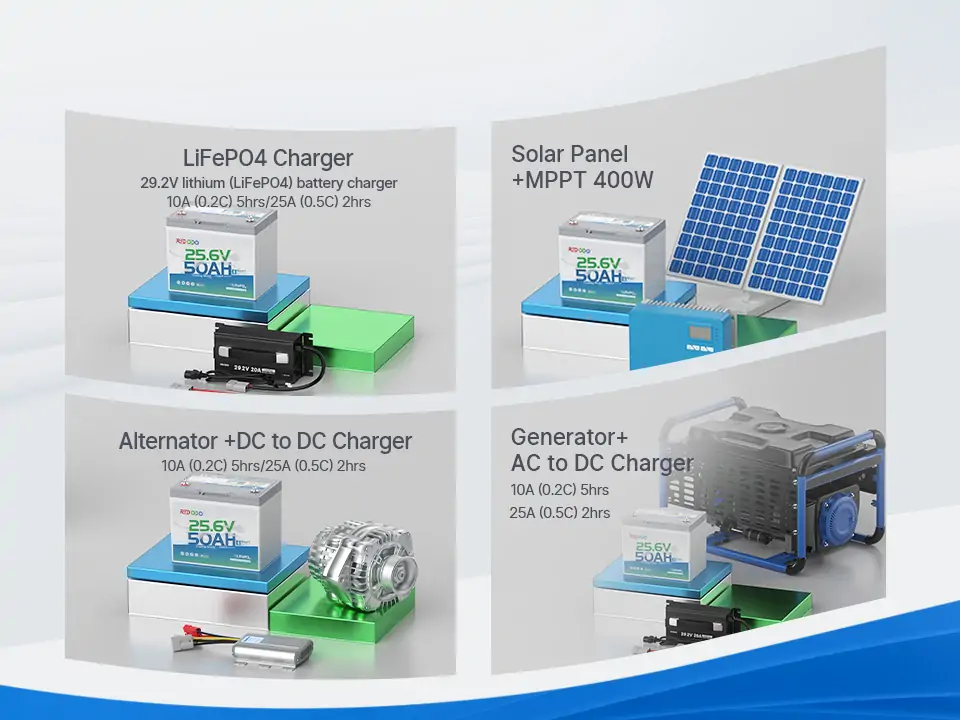
There are several safe and efficient ways to charge a 24V LiFePO4 battery. The best option depends on your setup, whether you’re camping, off-grid, or using the battery as backup power.
1. AC-DC Battery Charger (Wall Power)
Best for: Home, garage, RV shore power, workshops
What you need: A 24V LiFePO4 charger or a multi-chemistry charger with a LiFePO4 mode
How it works:
An AC charger plugs into a wall outlet and converts AC power into DC power at the correct voltage for a 24V battery. This is the most stable and fastest way to charge because AC power is constant and reliable.
Key details:
- Charging voltage: 28.8–29.2V
- Recommended charge rate: 0.2C–0.5C (example: 20A–50A for a 100Ah battery)
Advantages: Fast charging, stable output, safe for long-term use
Disadvantages: Requires shore power or grid access
2. Solar Charging (MPPT Controller)
Best for: Off-grid cabins, RVs, boats, outdoor setups
What you need: Solar panels + MPPT solar charge controller
How it works:
Solar panels generate DC power, and the MPPT controller adjusts voltage and current to efficiently charge the battery while preventing overcharge.
Key details:
- Set absorption voltage: 28.8–29.2V
- Set float voltage: OFF or ≤27.6V
Advantages: Renewable energy, low operating cost, ideal for off-grid
Disadvantages: Output depends on sunlight; charging speed varies
Read More: How to Charge LiFePO4 Batteries with Solar?
3. DC-DC Charger (Vehicle Alternator)
Best for: RVs, overlanding, marine, vehicle-to-battery charging
What you need: A DC-DC charger that supports 24V output and LiFePO4 mode
How it works:
A DC-DC charger connects to your vehicle’s alternator and converts its output to the correct charging profile for LiFePO4 batteries. This ensures stable charging even when alternator voltage fluctuates.
Key details:
- Typical charging voltage: 28.8–29.2V
- Ideal for charging while driving
Advantages: Fast charging on the road, avoids alternator voltage spikes
Disadvantages: Requires correct wiring and installation
4. Generator Charging (AC Output to Charger)
Best for: Remote camping, work sites, emergencies, off-grid backup
What you need: A portable generator + a 24V LiFePO4 charger (AC input)
How it works:
The generator provides AC power, which feeds into a standard 24V LiFePO4 charger. This is essentially the same as wall charging, but powered by a generator.
Key details:
- Charging voltage: 28.8–29.2V
- Recommended generator size: Depends on charger amperage. For example, a 20A charger needs around 500–700W generator, a 50A charger may require 2000W or more.
Advantages: Reliable charging anywhere with fuel, good for long trips
Disadvantages: Noise, fuel cost, maintenance
Can I Charge a 24V Battery With a 12V Charger?
No, you cannot charge a 24V battery with a 12V charger. For LiFePO4, a 12V battery charger provides a charging voltage of 14.6V, while a 24V battery requires a charging voltage of 29.2V to reach full charge.
In most cases, a 12V charger will fail to start the charging process at all. For safe and reliable charging, a charger specifically designed for 24V LiFePO4 batteries is always the recommended solution.
Frequently Asked Questions
Can I leave my 24V LiFePO4 battery on the charger?
While many LiFePO4 battery chargers (such as Redodo’s battery chargers) use smart charging technology that automatically stops charging once the battery is full charged, it’s still recommended to disconnect the charger after charging is complete. This helps maintain optimal battery health and long-term reliability.
What should a 24V battery read when fully charged?
A fully charged 24V LiFePO4 battery typically reads between 28.8V and 29.2V at rest, depending on the charger settings and the battery’s internal BMS. Slight variations are normal, especially immediately after charging.
Is it okay to charge a LiFePO4 battery to only 90%?
Yes, charging a LiFePO4 battery to around 90% is perfectly safe and can even help extend battery lifespan for daily use. Partial charging reduces cell stress while still providing most of the battery’s usable capacity.
Conclusion
Charging a 24V LiFePO4 battery correctly is essential for ensuring safe operation, reliable performance, and long service life. By using a dedicated 24V LiFePO4 charger, setting the proper charging voltage, and following recommended temperature and charging practices, you can maximize both efficiency and battery lifespan.
Read More:
How To Charge LiFePO4 Battery Safely?

Redodo
Redodo
Join Redodo
Related Post

What is SOC in Lithium Battery and Why Does It Matter?

Best Portable Battery for Overlanding 2026: Buyer’s Guide

How to Live in an RV Full-Time: A Complete Beginner’s Guide

How To Test a Battery with a Multimeter? (Step-by-Step)

5 Best 48V Lithium Batteries for Golf Cart in 2026
Related Products


Redodo 24V 200Ah LiFePO4 Lithium Battery | Trolling Motor, Marine, RV, Solar Home, Home Backup

⚡【Falsh Sale】Redodo 24V 50Ah Bluetooth Lithium Trolling Motor Battery | For 24V Trolling Motors with up to 100 lbs