Can You Live on a Houseboat in the US?
Living on a houseboat sounds like a dream: waking up to water views, gentle waves instead of traffic noise, and a slower, more intentional lifestyle. But is it actually legal and practical to live on a houseboat in the United States?
The short answer is yes, you can live on a houseboat in the US, but where and how depends on local laws, marina rules, and how your houseboat is set up.
In this guide, we’ll break down everything you need to know, from what a houseboat really is to the costs, power a houseboat, and the best places to live aboard.
Table of Content
What Is a Houseboat?
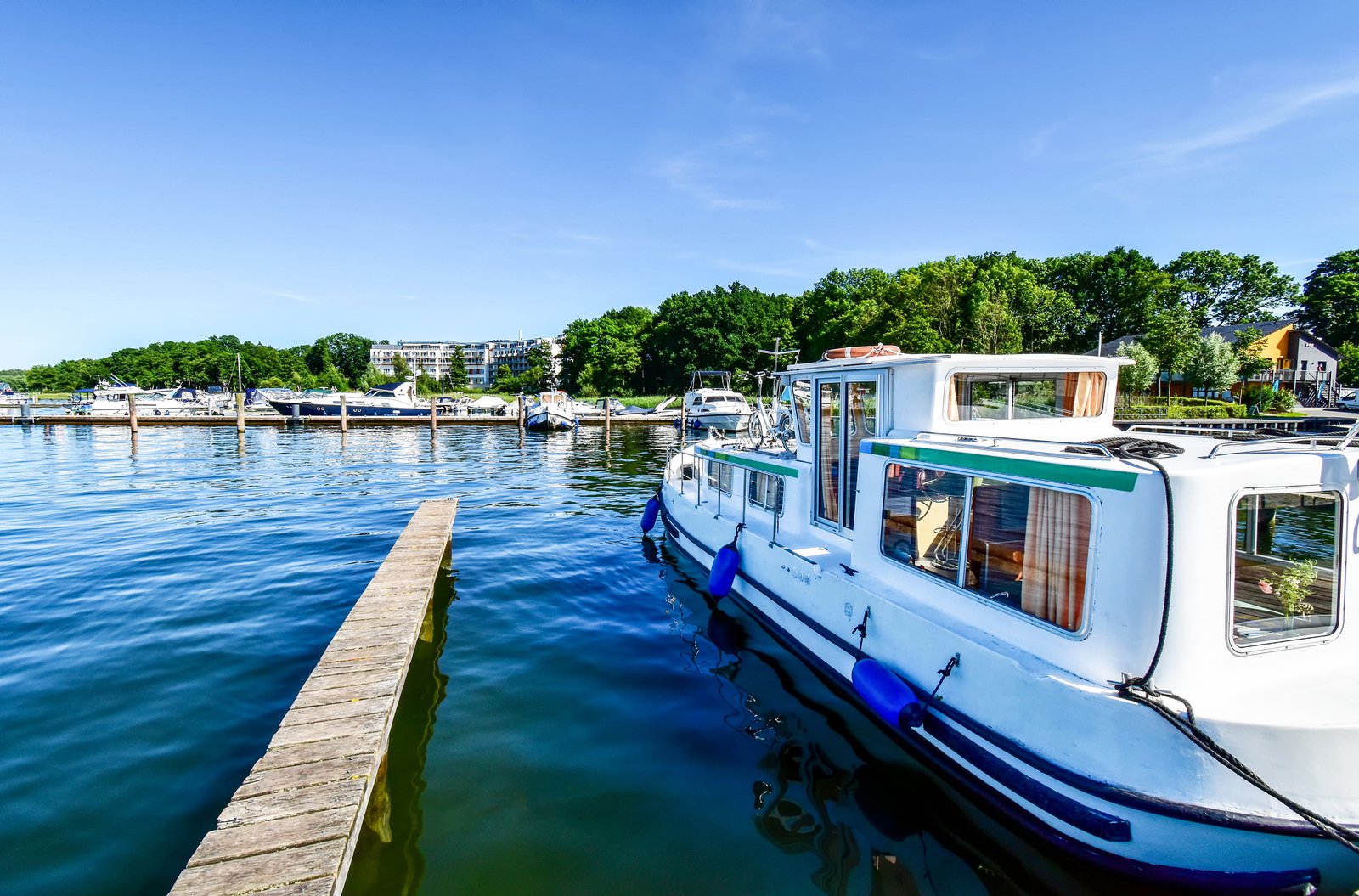
A houseboat is a floating residence designed primarily for living, not speed or long-distance travel. Unlike yachts or sailboats, houseboats prioritize interior space and comfort over performance. The key characteristics of a houseboat include:
- Flat or pontoon-style hull for stability
- Full living amenities (bedroom, bathroom, kitchen, etc.)
- Designed for lakes, rivers, canals, or calm coastal waters
- Often moored long-term at marinas or docks
Benefits of Living on a Houseboat
Waterfront Living at a Lower Cost
Houseboats allow people to enjoy waterfront views at a lower cost than traditional waterfront homes. In many areas, houseboats are not subject to property taxes, and marina slip fees can be more affordable than renting or buying a waterfront house.
More Nature-Oriented Lifestyle
Houseboat living naturally slows down daily life. Surrounded by water, residents experience less noise, fewer distractions, and closer contact with nature.
Flexibility and Location Freedom
Unlike land-based homes, a houseboat offers the freedom to relocate without selling your residence. Owners can move between marinas, explore new waterways, or adjust locations seasonally.
Efficient Use of Space and Resources
Houseboat residents often consume less electricity and water, generate less waste, and maintain fewer belongings, resulting in a simpler and more efficient way of living.
How to Power a Houseboat?
A reliable power system is one of the most important foundations of comfortable and independent houseboat living. Shore power is the most common houseboat power sources. However, shore power alone has its limitations.
Once you leave your home marina, experience a power outage, or dock somewhere without hookups, access to electricity can quickly become an issue. For this reason, having an off-grid power supply is important for any full-time or long-term houseboat setup.
This is where lithium marine batteries truly shine. Lithium batteries, especially deep cycle marine house batteries, are exceptionally well suited for houseboats, offering a reliable and efficient energy storage solution.
Compared to traditional lead-acid batteries, lithium batteries provide higher energy density for more usable power. They are lighter weight, which is critical in marine applications. The longer lifespan and reliable deep-cycle capability make them ideal for daily household loads.
Explore Redodo's lithium marine batteries to ensure you always have stored power available on your houseboat.
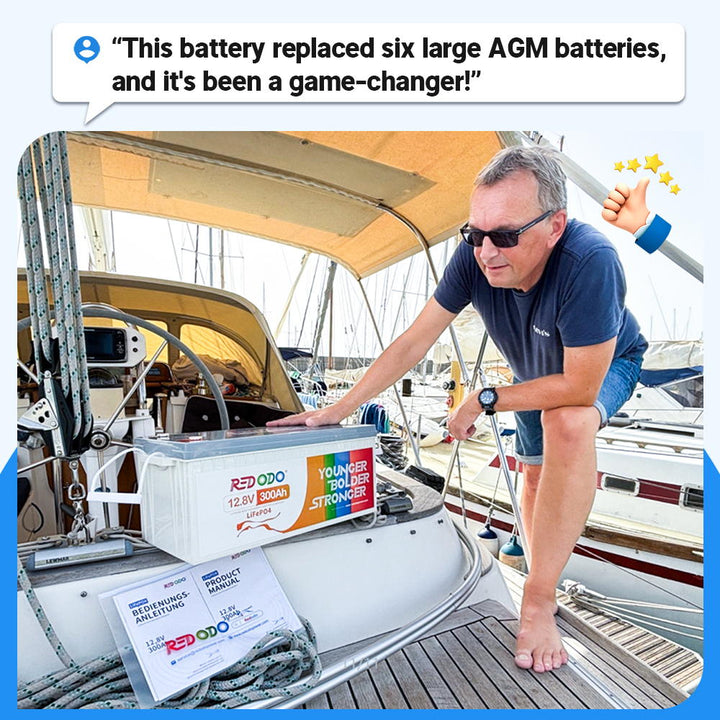
Redodo 12V 300Ah Lithium Deep Cycle Battery
How Much Does It Cost to Live a Houseboat?
Houseboat purchase
Purchasing a houseboat is the first step toward starting life on the water. According to Boat Trader, houseboat prices can range from $4,000 to $900,000, depending on their age and size.
On average, as Neighbor Blog reports, you can expect to pay around $50,000 for a well-built houseboat of about 600 square feet.
Monthly living costs (average range)
Marina slipping fees
- $300–$1,000 per month
- Higher in coastal cities
Utilities and services
- Electricity: $50–$200
- Pump-out services: $20–$60 per visit
- Internet: $50–$100
Insurance
- $50–$300 per month
Maintenance
- $100-$300 per time
- Hull inspections, bottom cleaning, or general repairs
In summary, the estimated annual cost of living on a houseboat ranges from approximately $6,000 to $30,000.
Where Can You Live on a Houseboat? 10 Best Locations
You might find plenty of houseboats for sale online, but it can be much harder to find places where you are actually allowed to live on one. Below are 10 locations in the U.S. known for being more houseboat-friendly.
Seattle, Washington
Seattle is famous for its vibrant liveaboard community, especially around Lake Union. The city offers a mix of urban convenience and scenic waterfront living. Residents enjoy cultural events, boating facilities, and access to Puget Sound.
Sausalito, California
The colorful town of houseboats located near the Golden Gate Bridge. There, you’ll find a flourishing art scene with a history dating back to the 1920s. Greek artist Jean Varda lived on a ferry boat here for 20 years. Since then, the community has only grown, and there are currently over 400 houseboats floating in San Francisco Bay.
Portland, Oregon
Portland’s river and canal systems support a strong houseboat community. Many residents are drawn by the city’s progressive policies and cultural attractions. Living on a houseboat here allows for a balance between city life, outdoor activities, and a unique, water-centered lifestyle.
San Diego, California
San Diego offers mild weather year-round, making it ideal for liveaboard living. Marinas throughout the city accommodate houseboats and floating homes, providing easy access to coastal recreation. Residents can enjoy boating, fishing, and beach activities just steps from their front door.
Fort Lauderdale, Florida
Known as the “Venice of America,” Fort Lauderdale’s extensive canal network provides countless opportunities for houseboat living. The area offers a mix of warm climate, scenic waterways, and established boating communities, making it a popular destination for retirees and water enthusiasts alike.
Lake Powell (Arizona/Utah)
Lake Powell is a stunning inland waterway perfect for seasonal houseboat living. Its dramatic sandstone cliffs and clear waters attract adventurers and vacationers. While full-time living is limited, it’s an exceptional spot for extended summer stays and recreational boating.
Tennessee River System, Tennessee
The Tennessee River offers affordable houseboat living in a network of lakes and reservoirs. Residents enjoy a slower pace of life, abundant fishing opportunities, and lower costs compared to coastal cities. It’s especially appealing for retirees seeking peace and natural beauty.
Chesapeake Bay, Maryland/Virginia
Chesapeake Bay features one of the largest protected estuaries in the U.S., ideal for houseboat enthusiasts. Communities here benefit from rich maritime history, scenic landscapes, and established marinas. Local rules vary by county, so prospective residents should check liveaboard regulations before moving.
Minneapolis–St. Paul, Minnesota
The Twin Cities are home to a summer-focused houseboat community along the Mississippi River and connected lakes. Residents enjoy beautiful summers with boating, fishing, and lakeside activities. Winters require winterization and storage, but the seasonal lifestyle attracts many enthusiasts.
New Orleans, Louisiana
New Orleans offers a unique mix of cultural vibrancy and water-based living. Houseboats on the city’s rivers and canals benefit from historic charm, rich music and food scenes, and a strong sense of community. Prospective liveaboards should be aware of local zoning rules and hurricane preparedness requirements.
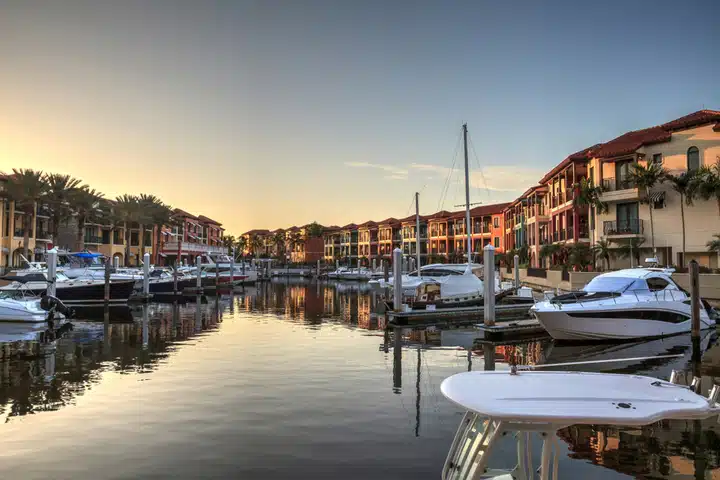
Houseboats in Naples, Florida. Image by BoatSetter
Can a Houseboat Be a Permanent Residence?
Yes, but it largely depends on local regulations and marina policies. Some cities allow houseboats as primary homes, while others restrict the number of liveaboard slips or enforce zoning laws that limit long-term occupancy.
Living on a houseboat year-round also involves dealing with seasonal and weather-related challenges. In colder climates, winterization is often necessary to protect plumbing and systems. While storm-prone areas require secure mooring and adequate insurance.
Before committing to full-time houseboat living, it’s essential to carefully review marina policies, city zoning regulations, and insurance requirements to ensure a safe and legally compliant lifestyle on the water.
Conclusion
So, can you live on a houseboat in the US? Absolutely, if you choose the right location, understand the regulations, and set up reliable power and systems. With thoughtful planning, houseboat living offers a rare combination of freedom, flexibility, and connection to nature.
Whether you’re drawn by affordability, adventure, or a desire for simpler living, a houseboat can provide a unique and sustainable alternative to traditional housing—allowing you to truly make the water your home.
Read More:
What Is the Best Marine Battery: Type, Size, and Buying Guide
How to Store a Deep Cycle Marine Battery for Winter?

Redodo
Redodo
Join Redodo
Related Post

How to Install Solar Panels on an RV or Motorhome? Step-by-Step Guide

Best Prime Day LiFePO4 Battery Deals on RV, Boat, Solar & Golf Power

Big Prime Day Battery Deals 2026: Save 58% on Redodo LiFePO4 Batteries

What Is a BMS and Why Is It Important for Lithium Batteries?

Choosing The Best Lithium Batteries for Bass Boat
Related Products

🔥【$494 After Subscribe】Redodo 12V 300Ah Lithium LiFePO4 Battery | Replaces 6*12V 100Ah AGM Batteries | For RV, Marine, Home battery backup

🔥【Sale-Final $622】Redodo 12V 320Ah Mini Bluetooth Lithium Battery | Best for Boondocking, Long Road Trip, Desert Trip, Home Backup

🔥【$341 After Subscribe】Redodo 12V 165Ah Group 31 Bluetooth Lithium Battery | For RV, Marine, Solar Home

🔥【Sale-Fianl $484】Redodo 12V 165Ah 1200 CCA Group 31 Dual-Purpose Lithium Marine Battery | Starting • Trolling • Electronics— All from One

Redodo 12V 100Ah Group 24 Bluetooth LiFePO4 Battery | Real-Time Battery Monitoring | For RV, Marine, Solar

🔥【$230 After Subscribe】Redodo 12V 100Ah Group 31 Bluetooth Lithium Battery | Real-Time Battery Monitoring | For RV, Marine, Solar