How to Plan a Perfect Off-Grid RV Camping Trip: 2026 Guide
Off-grid RV camping—also known as boondocking and dry camping—is one of the most rewarding ways to travel. No hookups, no crowded campgrounds, no schedules. Just you, your partner, your RV, and the freedom to camp where the road ends and nature begins.
If you’re new to off-grid camping or planning your ideal RV adventure, this guide will walk you through on how to plan and power a camper off-grid. This guide also offers practical tips and popular camping sites that work for both weekend boondockers and multi-day explorers.

Table of Content
What Is Off-Grid RV Camping?
Off-grid RV camping refers to camping in locations where there are no external hookups for electricity, water, or sewer. Instead of relying on campground utilities, everything you need (power, water, and waste management) comes from your own RV setup. It allows RVers to explore more remote areas with more privacy and freedom.
Essentials for An Off-Grid RV Camping Trip
A successful off-grid RV camping trip starts with the right essentials. When there are no hookups or services nearby, being properly equipped makes all the difference between a smooth experience and unnecessary stress.
Reliable Power System
Power is the foundation of off-grid camping. A dependable energy setup allows you to run essential appliances, charge devices, and stay comfortable without external hookups. Solar panels paired with a high-capacity lithium RV battery provide clean, quiet, and efficient power for extended stays. Make sure your system is sized to match your daily energy needs.
Large-Capacity Battery Storage
Battery capacity determines how long you can stay off the grid. Lithium RV batteries offer more usable energy, faster charging, and longer lifespan compared to traditional lead-acid batteries.
A large-capacity option, such as the Redodo 12V 320Ah Mini LiFePO4 Battery, is ideal for multi-day off-grid RV camping where consistent power is critical. With its large capacity and smart monitoring, it helps you avoid unexpected power shortages.

Why it works for off-grid camping:
- Massive usable energy (~4kWh) for extended stays
- Compact mini footprint despite large capacity
- Built-in Bluetooth for real-time monitoring
- Advanced BMS with full protection
- Lightweight compared to equivalent lead-acid banks
Water Storage and Conservation Tools
Fresh water is a limited resource when camping off grid. Carry sufficient water for drinking, cooking, and cleaning, and consider bringing collapsible water containers for refills. Water-saving fixtures and mindful usage help extend your stay without frequent resupply trips.
Navigation and Communication Tools
Off-grid destinations often lack reliable cell service. Offline maps, GPS devices, Starlink, and emergency communication tools help you stay oriented and safe. Always download maps in advance and share your travel plans with someone before heading out.
Safety and Emergency Gear
Being prepared for emergencies is essential in remote areas. Pack a first-aid kit, fire extinguisher, extra food, and weather-appropriate gear. Regularly inspect your RV systems to reduce the risk of mechanical or electrical issues while off grid.
How to Power a Camper Off the Grid: A Complete Power System
Power is the backbone of off-grid RV camping. Unlike traditional RV parks, off-grid camping focuses on self-sufficiency and flexibility, so you can stay closer to nature. However, it also means careful planning is essential, especially when it comes to power management and resource usage.
1. Solar Power (Primary Energy Source)
Solar panels convert sunlight into electricity and charge your battery bank through a charge controller. Solar is ideal for off-grid camping because it provides continuous power during the day and keeps your battery topped up.
Advantages:
- Quiet and eco-friendly
- Minimal maintenance
- Great for long stays
Limitations:
- Weather-dependent
- Requires sufficient battery storage
A typical off-grid RV solar setup includes:
- Roof or portable solar panels
- MPPT charge controller
- Solar storage battery bank
- Inverter or RV Converter
Check out the video to learn how to install solar power for Camper:
2. Lithium RV Batteries (Your Energy Storage)
A powerful battery bank is the heart of an off-grid system. For off-grid trips, lithium RV batteries are the best choice. They provide more usable energy per cycle and can handle higher discharge rates.
Compared to lead-acid batteries, lithium batteries offer:
- 2–3× usable capacity
- Faster charging
- Lighter weight: up to 60% lighter
- 10× Longer lifespan (4,000+ cycles)
- Stable voltage for sensitive electronics
3. Alternator Charging (While Driving)
While driving between destinations, your RV’s alternator can recharge the battery bank. This is especially useful for long road trips where you travel daily. A DC-DC charger is usually required to ensure safe and efficient charging.
Advantages:
- Keeps batteries topped up while traveling
- Helps extend off-grid stays
Limitations:
- Charging stops when the engine is off
- Requires proper wiring and setup
4. Generator (Backup Only)
A generator can be used as a backup or emergency power source. It is useful for recharging batteries quickly or running high-power appliances when solar is not sufficient.
Advantages:
- Reliable and powerful
- Works in any weather
Limitations:
- Noisy and fuel-dependent
- Requires maintenance
- Not ideal for quiet camping
Due to these limitations, most modern off grid camping setups aim to minimize generator use by upgrading RV lithium battery system instead.

5 Practice Tips for Perfect Off-Grid RV Camping
These practical tips help you camp more efficiently, responsibly, and comfortably.
1. Plan Ahead and Be Prepared
Research potential off-grid camping or boondocking sites in advance and review local rules and stay limits. Stock up on food, water, and fuel before leaving paved roads behind. Creating a checklist and performing routine RV maintenance checks can prevent problems once you’re off grid.
2. Manage Your Power Usage Wisely
Energy management is key when there are no hookups. Run high-power appliances during peak solar hours, turn off unused devices, and monitor battery levels regularly. Efficient power use allows you to stay off grid longer without relying on a generator.
Smart Energy-Saving Tips include:
- Switch all lighting to LED
- Use propane for cooking and heating
- Avoid electric space heaters
- Run high-draw devices during peak sun hours
- Turn off inverters when not in use
3. Practice Sustainable Principles
Respect the natural environment and leave your campsite as you found it. Dispose of waste properly, minimize campfire impact, and avoid damaging plants or wildlife. Responsible off-grid camping helps preserve public lands for future travelers.
4. Embrace Minimalism and Disconnect
Off-grid RV camping is a chance to slow down and simplify. Reduce screen time, enjoy quiet moments, and reconnect with nature through hiking, reading, or stargazing. Disconnecting from constant digital noise is one of the most rewarding parts of camping off the grid.
5. Stay Flexible and Adaptable
Conditions can change quickly when camping off grid. Weather, road access, or power availability may require you to adjust plans. Staying flexible and prepare a Plan B allow you to handle challenges calmly and enjoy the experience no matter what comes your way.
Recommended Off-Grid RV Trip Destinations in the U.S
The United States offers some of the best off-grid RV camping opportunities in the world, thanks to its vast public lands and diverse natural landscapes. From sun-soaked deserts to high-elevation forests and rugged coastlines, RVers can find countless places to camp off the grid and enjoy true freedom.
Below are some of the most popular and reliable off-grid RV camping destinations across the U.S.
BLM (Bureau of Land Management) Land
BLM land is a top choice for off-grid camping, especially in the western United States. These areas typically allow dispersed camping for up to 14 days and offer wide-open spaces that are perfect for RVs equipped with solar and lithium battery systems.
Popular BLM destinations include Alabama Hills in California and Southern Nevada deserts. These locations are especially suitable for RVers who rely on solar power, thanks to minimal shade and consistent sunlight.
National Forests
National forests provide some of the most scenic off-grid RV camping in the country. Dispersed camping is allowed in many areas, typically outside developed campgrounds, as long as local rules are followed.
Well-known national forest destinations include Coconino National Forest in Arizona, San Juan National Forest in Colorado, Olympic National Forest in Washington, and Deschutes National Forest in Oregon.
These areas are ideal for RVers who enjoy cooler temperatures and natural shade, though dense tree cover may require larger battery capacity to compensate for reduced solar charging.
Designated Dispersed Camping Areas
Designated dispersed camping areas are clearly marked zones where off-grid RV camping is permitted. These sites often have maintained access roads and basic clearings but still offer a true off-grid experience without hookups.
Popular sites like Tonto National Forest dispersed zones in Arizona and Mammoth Lakes dispersed areas in California.
Remote Deserts, Mountains, and Coastal Regions
For more experienced off-grid RVers, remote regions provide unmatched isolation and scenery. Desert areas offer excellent solar conditions, while mountain and coastal regions deliver cooler climates and dramatic views.
Notable destinations include Mojave Desert in California and Big Bend region in Texas.
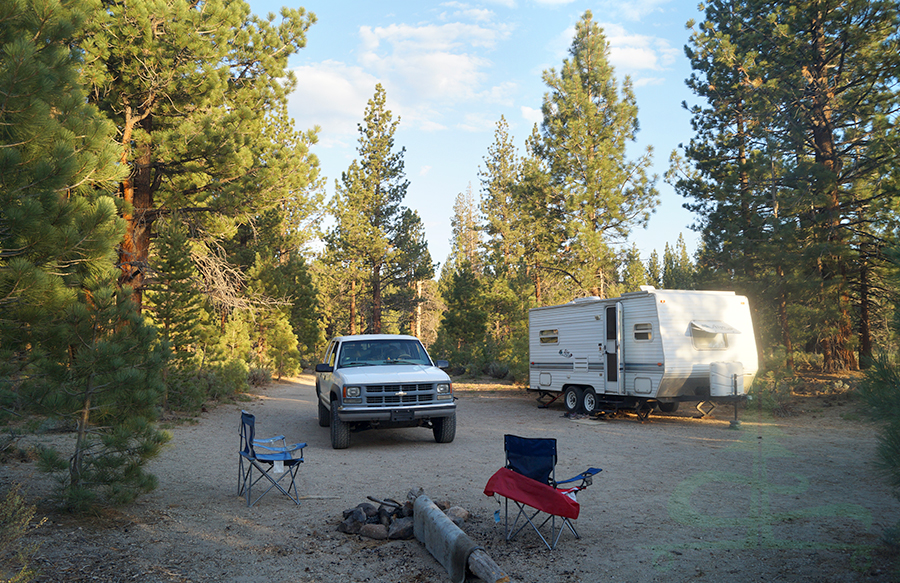
Image by TheLostLongboarder
Frequently Asked Questions
How do I power a camper off-grid?
The most common way is to combine solar panels with a lithium battery bank. Solar panels generate energy during the day, while the battery stores it for night use. A reliable system may also include alternator charging and a generator for backup.
How much battery capacity do I need for off-grid RV camping?
Battery capacity depends on your usage and trip length. For short weekend trips, a 100–200Ah battery may be enough. For 3–5 day off-grid trips, a battery or battery pack with capacity of 300-400Ah is highly recommended.
Can I rely on solar power alone in off-grid trips?
Solar can be enough for many trips, especially with adequate battery storage. However, solar performance depends on weather and sunlight availability. For longer trips or cloudy regions, it’s wise to include alternator charging or a backup generator.
Conclusion
Off-grid RV camping offers a unique way to explore nature with freedom and privacy. The key to a successful trip is planning your power system, water supply, and safety gear before you leave. By choosing the right destination, preparing essential equipment, and managing your energy efficiently, you can enjoy a comfortable and stress-free off-grid experience.
For most RVers, the best way to power a camper off-grid is to combine solar energy with a reliable lithium battery system. A high-capacity option like the Redodo 12V 320Ah Mini Bluetooth Battery provides the power and stability needed for multi-day boondocking. With the right setup, you can enjoy extended off-grid adventures with confidence, comfort, and peace of mind.
Read More:
DIY Off-Grid Solar System with Lithium Batteries
5 Best Large Capacity RV Batteries for Boondocking

Redodo
Redodo
Join Redodo
Related Post

What is SOC in Lithium Battery and Why Does It Matter?

Best Portable Battery for Overlanding 2026: Buyer’s Guide

How to Live in an RV Full-Time: A Complete Beginner’s Guide

How To Test a Battery with a Multimeter? (Step-by-Step)

5 Best 48V Lithium Batteries for Golf Cart in 2026
Related Products

🔥【SVAE $63】Redodo 12V 320Ah Mini Bluetooth Lithium Battery | Best for Boondocking, Long Road Trip, Desert Trip, Home Backup

🔥Redodo 12V 320Ah Mini Bluetooth Battery LEAD-TO-LITHIUM Upgrade Kit | For 3-4 Days Boondocking

Redodo 12V 300Ah Lithium LiFePO4 Battery | Replaces 6*12V 100Ah AGM Batteries | For RV, Marine, Home battery backup

⚡【SAVE $35】Redodo 12V 165Ah Group 31 Bluetooth Lithium Battery | For RV, Marine, Solar Home

⚡【Flash Sale】Redodo 12V 100Ah Ultra-Mini Lithium LiFePO4 Battery | Smallest Bluetooth Battery | For RV, Trolling Motor, Solar

Redodo 12V 200Ah Plus LiFePO4 Deep Cycle Lithium Battery | 2560W Load Power | For Solar Home, RV, Marine