Spring Bass Fishing: Tips, Gear & Power Setup for Your Boat
Spring is one of the most exciting seasons for anglers. As water temperatures rise, bass become more active, moving into shallow areas to feed and spawn—creating ideal conditions for both beginners and experienced fishermen.
In this guide, we’ll cover everything you need to know about spring bass fishing, including timing, locations, bait choices, and how to power your boat reliably for a successful day on the water.
Table of Content
Why Spring is Prime Time for Bass Fishing?
During spring, bass transition through three key stages: pre-spawn, spawn, and post-spawn. Each stage offers unique opportunities, especially for those targeting early spring bass fishing conditions when fish are aggressively feeding after winter.
As water temperatures climb from around 45°F (7°C) to 65°F (18°C), bass begin moving from deeper waters to shallow flats, their feeding activity increases significantly, and their patterns become more predictable, making them easier to target.

Best Time for Spring Bass Fishing
Timing is everything when it comes to catching bass in spring.
1. Time of Day
- Early Morning (Sunrise – 9 AM): Cooler water temperatures and low light encourage bass to hunt actively.
- Late Afternoon (4 PM – Sunset): Another feeding window as temperatures stabilize.
- Midday: Can still be productive in early spring when the sun warms shallow waters.
2. Seasonal Timing
- Early Spring (Pre-Spawn): Focus on deeper edges and transition zones.
- Mid-Spring (Spawn): Target shallow beds and protected coves.
- Late Spring (Post-Spawn): Bass move slightly deeper but remain active.
Where to Find Bass Fish in Spring?
Location is just as important as timing when it comes to successful spring bass fishing. During this season, bass often gather in groups and position themselves based on available cover, food sources, and changing weather conditions.
Bass also migrate between their wintering areas and spawning grounds, making transition zones especially productive. These routes act like highways, where fish pause to feed and adjust before moving shallower.
Key Areas to Target
- Deep Grass Edges: Offer both cover and access to deeper water
- Deep Structures: Submerged rocks, fallen trees, and ledges where bass stage before moving shallow
- Creeks and Inflows: Bring in warmer water and baitfish, attracting active bass
- Large Docks: Particularly effective on warm, sunny days when they provide shade and structure
- Rocky Flats: Absorb heat and become feeding zones during stable, sunny conditions
- Transition Zones: Areas between wintering holes and spawning flats—prime spots in early spring
- Wintering Holes: Deeper pockets where bass remain if temperatures are still cold
Choose the Right Baits for Spring Bass Fishing
A key spring bass fishing tip is to match your bait presentation speed with water temperature—slower in cold water, faster as it warms.
Early Spring (Cold Water)
- Jigs: Great for slow presentations near the bottom
- Lipless Crankbaits: Effective for covering water quickly
Mid-Spring (Warming Water)
- Spinnerbaits: Excellent in stained or windy conditions
- Soft Plastics: Worms, lizards, and creature baits for spawning areas
- Swimbaits: Natural presentation for cruising bass
Late Spring (Post-Spawn)
- Topwater Lures: Excellent during early morning and evening
- Crankbaits: Effective for deeper feeding bass
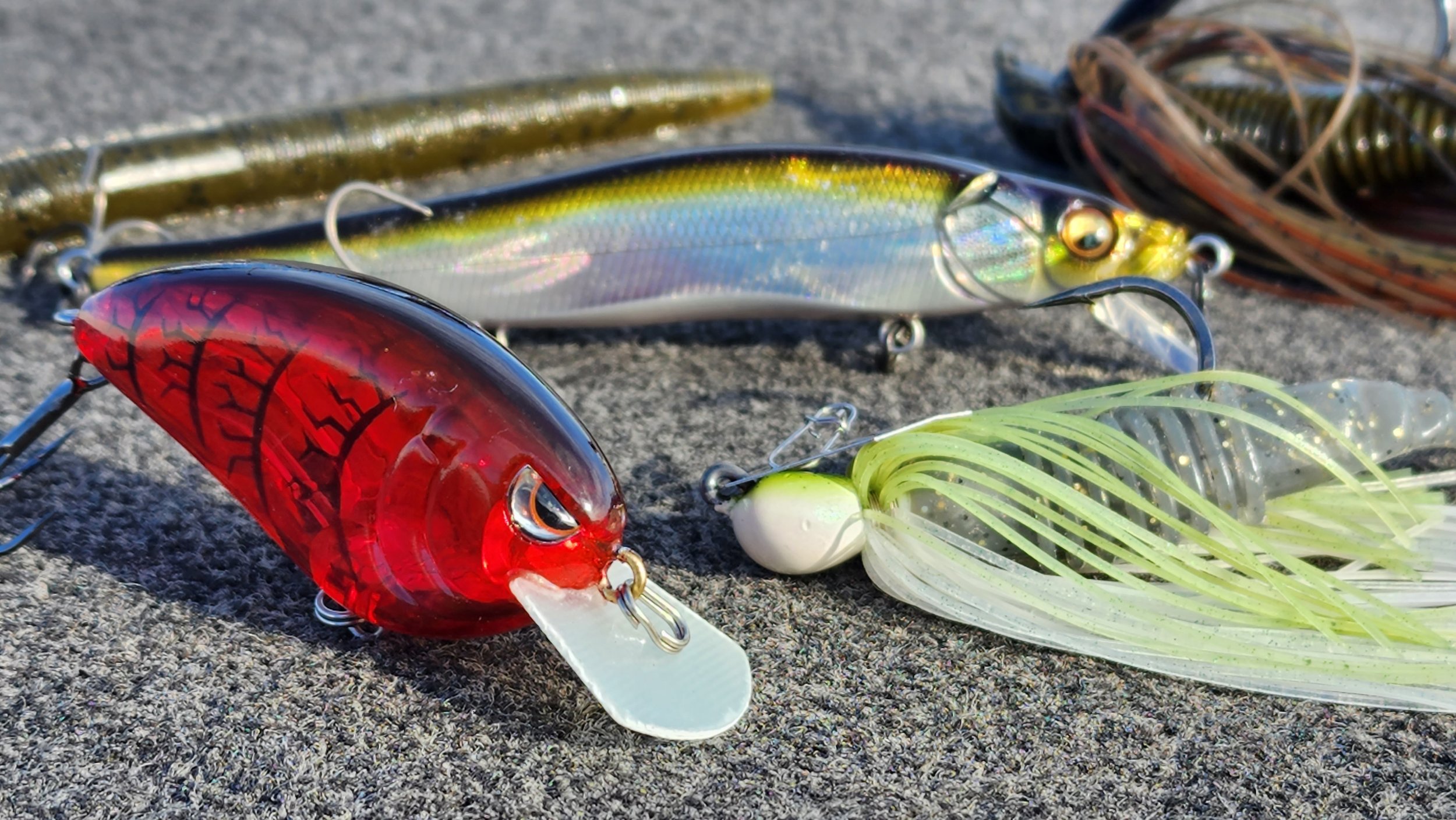
Image by @Tactical Bassin
Reliable Power for Your Spring Bass Fishing Success
A successful spring bass fishing isn’t just about choosing the right lure or location, it’s also about having a reliable power system that keeps your electronics running and your boat perfectly positioned all day long.
Fish Finders & Electronics
Modern electronics can dramatically improve your efficiency on the water. With these tools, you can quickly identify high-percentage fishing areas and spend more time targeting active bass.
- Fish Finders (Sonar): Help locate bass, baitfish, and underwater structures
- GPS Mapping: Identify drop-offs, creek channels, and transition zones
- Side Imaging: Scan large areas quickly, perfect for finding schools in spring
- Livewell Pumps: Keep bait and caught fish healthy and aerated
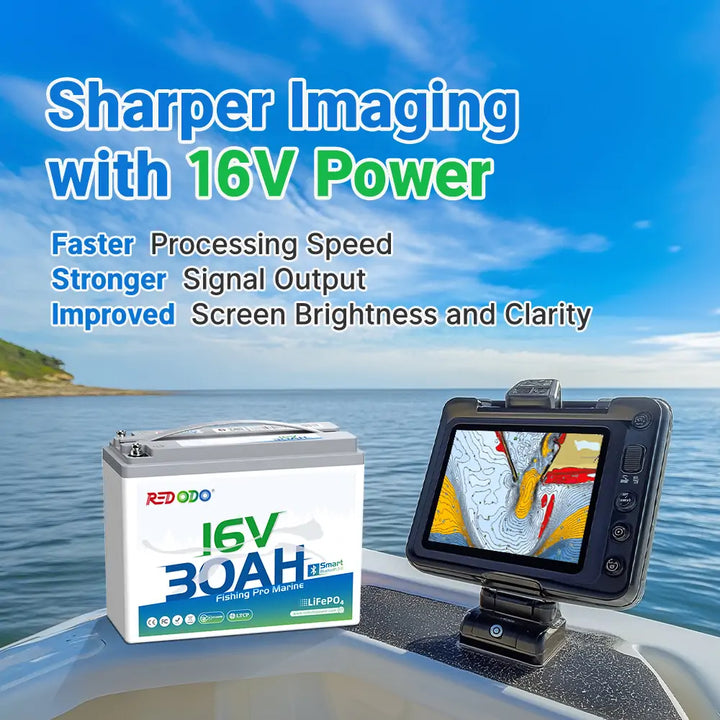
To power these electronics, a reliable fish finder battery is essential, ensuring stable voltage for accurate sonar readings, uninterrupted GPS tracking, and all-day performance on the water.
With Redodo fish finder batteries, you get lightweight LiFePO4 power, long-lasting runtime, and consistent output. These lithium marine batteries allow your electronics to stay sharp and dependable, helping you locate bass more efficiently throughout your spring fishing trip.
Related Reading: What Size Fish Finder Battery Do I Need?
Trolling Motor Battery Setup
Spring bass are often found in shallow water, making stealth and precision essential. A trolling motor offers quiet movement to avoid spooking fish and improved control in wind or current.
Choose lithium trolling motor batteries for bass fishing, you'll get sharper control, smoother handling, and consistently reliable performance on the water.
What to Consider When Choosing a Trolling Motor Battery?
- Voltage Compatibility: Match your trolling motor (12V, 24V, or 36V)
- Battery Capacity (Ah): Ensure enough runtime for long fishing sessions
- Group Size: Make sure the battery group size fits your boat’s battery compartment (Group 24, 27, or 31)
- Stable Output: Consistent voltage keeps performance steady
Related Reading: Best Battery for Kayak Trolling Motor
Why Lithium (LiFePO4) Batteries Stand Out?
LiFePO4 batteries are rapidly becoming the go-to solution for anglers who demand reliability and performance:
- Extended Runtime: Access nearly 100% of battery capacity
- Lightweight Design: Improves boat efficiency and maneuverability
- Stable Voltage: Keeps trolling motors and electronics running smoothly
- Long Lifespan: Thousands of cycles for long-term value
For anglers looking to upgrade, Redodo’s trolling motor batteries provide dependable, high-performance power—so you can stay focused on finding bass, not worrying about battery life.

Essential Gear for Spring Bass Fishing
Having the right gear can make a huge difference in your spring bass fishing success. Below is a more detailed breakdown of the essential gear you’ll need.
Fishing Rod
- Medium Rod (6'6”–7’): Ideal for finesse techniques like drop shots and soft plastics
- Medium-Heavy Rod (7’–7’3”): The most versatile option for jigs, spinnerbaits, and Texas rigs
- Heavy Rod (7’+): Best for flipping heavy cover like grass or timber
Fishing Reel
- Baitcasting Reel: Offers better control, accuracy, and power, making it perfect for heavier lures and structure fishing
- Spinning Reel: Great for lighter lures and finesse presentations, especially in clear water
Fishing Line
Your fishing line directly affects sensitivity, hooksets, and presentation.
- Fluorocarbon (10–17 lb): Nearly invisible underwater, perfect for clear water and wary bass
- Braided Line (20–50 lb): Extremely strong with zero stretch, ideal for fishing heavy cover or vegetation
- Monofilament (10–15 lb): Floats and stretches, great for topwater lures in late spring
Spring Tip: Use fluorocarbon in early spring bass fishing when fish are sluggish and bites are subtle.
Additional Accessories for Spring Fishing
To round out your spring fishing setup, don’t overlook these essentials:
- Polarized Sunglasses: Reduce surface glare, improve underwater visibility, while minimizing eye strain during long spring fishing sessions.
- Landing Net: A rubber-coated landing net helps secure larger bass safely, prevents hook tangles, and reduces fish loss at the boat.
- Tackle Storage: Well-organized tackle boxes allow quick lure changes, protect gear from water, and keep different bait types separated.
- Weather Gear: Spring weather shifts quickly between sun, wind, and rain throughout the day. Waterproof jackets, layered clothing, and non-slip boots keep you comfortable and safe.
- Fish Gripper/Scale: A fish gripper ensures safe handling, while a digital scale provides accurate weight measurements, making it easier to track catches.
Conclusion
Spring offers some of the best opportunities of the year to catch bass. By understanding fish behavior, choosing the right locations, and selecting effective baits, you can significantly increase your success rate.
Just as importantly, a reliable power setup ensures your time on the water is smooth and uninterrupted. Investing in a high-quality marine battery for your fish finder and trolling motor can make all the difference between cutting your trip short and landing your next big catch.
Get your gear ready, plan your trip, and enjoy spring bass fishing!
Read More:
How Long Will a 100Ah Battery Run a 55lb Trolling Motor?

Redodo
Redodo
Join Redodo
Related Post

What is SOC in Lithium Battery and Why Does It Matter?

Best Portable Battery for Overlanding 2026: Buyer’s Guide

How to Live in an RV Full-Time: A Complete Beginner’s Guide

How To Test a Battery with a Multimeter? (Step-by-Step)

5 Best 48V Lithium Batteries for Golf Cart in 2026
Related Products

⚡【Flash Sale】Redodo 12V 100Ah Group 24 Bluetooth LiFePO4 Battery | Real-Time Battery Monitoring | For RV, Marine, Solar

⚡【Falsh Sale】Redodo 24V 50Ah Bluetooth Lithium Trolling Motor Battery | For 24V Trolling Motors with up to 100 lbs

⚡【Falsh Sale】Redodo 36V 50Ah Lithium Trolling Motor Battery for 36V Trolling Motors with 100-120 lbs


⚡【Flash Sale】Redodo 12V 100Ah Lithium Trolling Motor Battery With Low Temp Protection

Redodo 12V 100Ah Group 31 Bluetooth Lithium Battery | Real-Time Battery Monitoring | For RV, Marine, Solar

⚡【SAVE $35】Redodo 12V 100Ah 900 CCA Group 27 Dual Purpose Marine Battery with OTA Bluetooth Auto-Heating