Why RV Battery Dead After Storage and How to Fix?
Nothing is more frustrating than preparing for your next RV trip—only to discover your RV battery dead after storage. Whether your camper sat idle for a few weeks or an entire winter season, battery drain during storage is a common issue for RV owners.
In this guide, we’ll break down why RV battery drain in storage, how to fix it, and the practical tips to help you keep your battery fully charged for your next journey.
Table of Content
Why Your RV Battery Dead After Storage?
Reason 1: Parasitic Power Drain
Even when your RV is powered off, certain systems continue to draw small amounts of electricity. Over time, these loads quietly lead to RV battery drain in storage, especially if the battery remains connected for weeks or months.
Common loads include propane detectors, stereo memory systems, clocks, control boards, and other onboard electronics. Even small items like USB chargers or aftermarket accessories can slowly deplete your battery, eventually leaving it completely discharged when you're ready to travel.
Reason 2: No Battery Disconnect or Improper Shutdown
If your RV doesn’t have a battery disconnect switch or a breaker, or if it’s not turned off properly, the battery stays connected to all electrical systems, allowing continuous energy draw.
Many RV owners assume turning off the main power is enough, but without physically isolating the battery, small circuits remain active. This ongoing drain significantly increases the risk of RV battery drain, particularly during long-term or seasonal storage.
Reason 3: Self-Discharge of the Battery
All batteries naturally lose charge over time, even when completely disconnected. This process, known as self-discharge, is especially noticeable in traditional lead-acid batteries, which can lose 5–15% of their charge per month depending on conditions. In comparison, LiFePO4 lithium batteries have a lower self-discharge rate of just 2–3% per month.
Reason 4: Extreme Storage Temperatures
Temperature plays a critical role in battery performance and longevity. High heat accelerates internal chemical reactions, increasing the rate of RV battery drain in storage, while extremely cold temperatures can reduce capacity, especially in discharged lead-acid batteries.
Improper storage temperature conditions, such as leaving your RV exposed to summer heat or winter freezing, can significantly contribute to battery failure or run out of power.
Related Reading: How to Store Your RV Battery in Winter?
Reason 5: Lack of Maintenance
Neglecting basic battery maintenance is another common reason for storage-related battery issues. Failing to fully charge the battery before storage or not checking it periodically can lead to deep discharge and long-term damage.
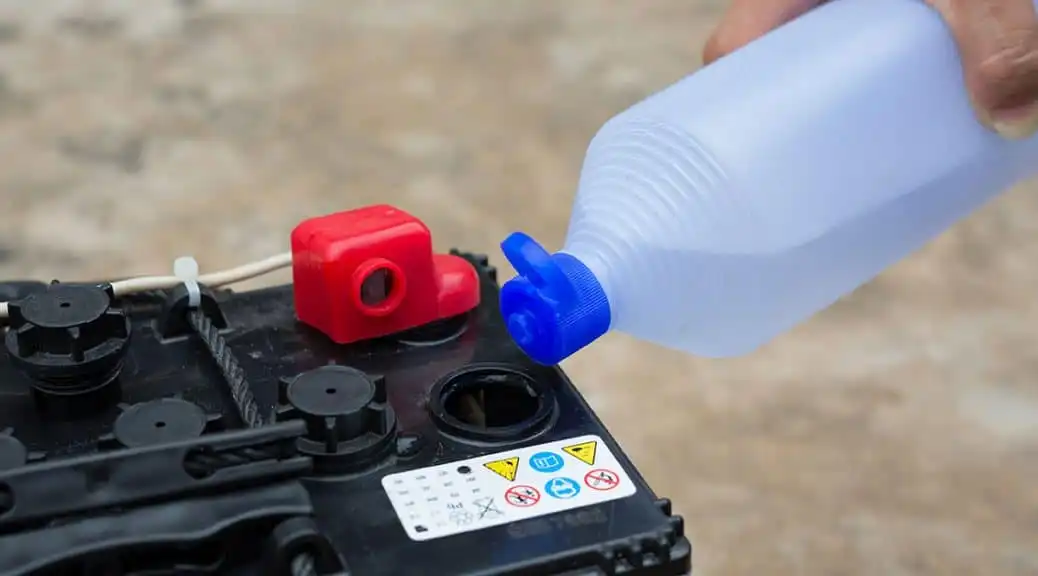
For lead-acid batteries, ignoring electrolyte levels or allowing corrosion to build up on terminals can further reduce performance.
How to Fix an RV Battery that Died in Storage?
If your RV battery is dead after storage, don’t worry, many cases are recoverable with the right approach. Here’s how to fix it and prevent it from happening again:
1. Recharge the Battery Properly
If parasitic drain or self-discharge has depleted your battery, the first step is a full recharge.
Use a charger compatible with your battery type (lead-acid or LiFePO4). For lithium batteries, ensure to use a lithium battery charger or a charger supports LiFePO4 profiles.
2. Check Battery Health
After charging, test whether the battery still holds power and performs a load test. Watch for rapid voltage drops when in use.
If the battery cannot hold a charge, it may have suffered deep discharge damage, especially common in lead-acid batteries. In this case, replacement may be necessary.
Related Reading: How to Test a Deep Cycle Battery and Tell If It Bad?
3. Eliminate Parasitic Power Drain
To prevent RV battery drain during storage, disconnect the battery or use a battery disconnect switch to stop any power draw.
Also, unplug unnecessary devices like USB chargers or aftermarket electronics, as they can slowly drain the battery even when the RV is off.
4. Store in the Right Temperature Conditions
Store batteries in a cool, dry place (ideally 10°C–25°C / 50°F–77°F). Avoid freezing conditions and extreme heat, which accelerates degradation.
For long-term storage, remove the battery from RV and store it indoors.
5. Regular Maintenance Checks
Even during storage, performing occasional checks can significantly improve your battery’s lifespan and reliability. It’s recommended to monitor the battery voltage every 4–6 weeks.
Recharge the battery if the voltage or capacity drops below a safe level (typically below 50% SOC for lead-acid batteries; 20% SOC for LiFePO4 batteries), preventing deep discharge and potential damage.
For lead-acid batteries, additional maintenance is essential, such as inspect electrolyte levels and clean corrosion from terminals to ensure proper conductivity and optimal performance.
Upgrade Your RV battery to LiFePO4
If your RV battery storage issues happen frequently, upgrading to a lithium RV battery is a smart long-term solution. Compared to traditional lead-acid batteries, lithium technology offers significant advantages that make RV storage easier and more reliable.
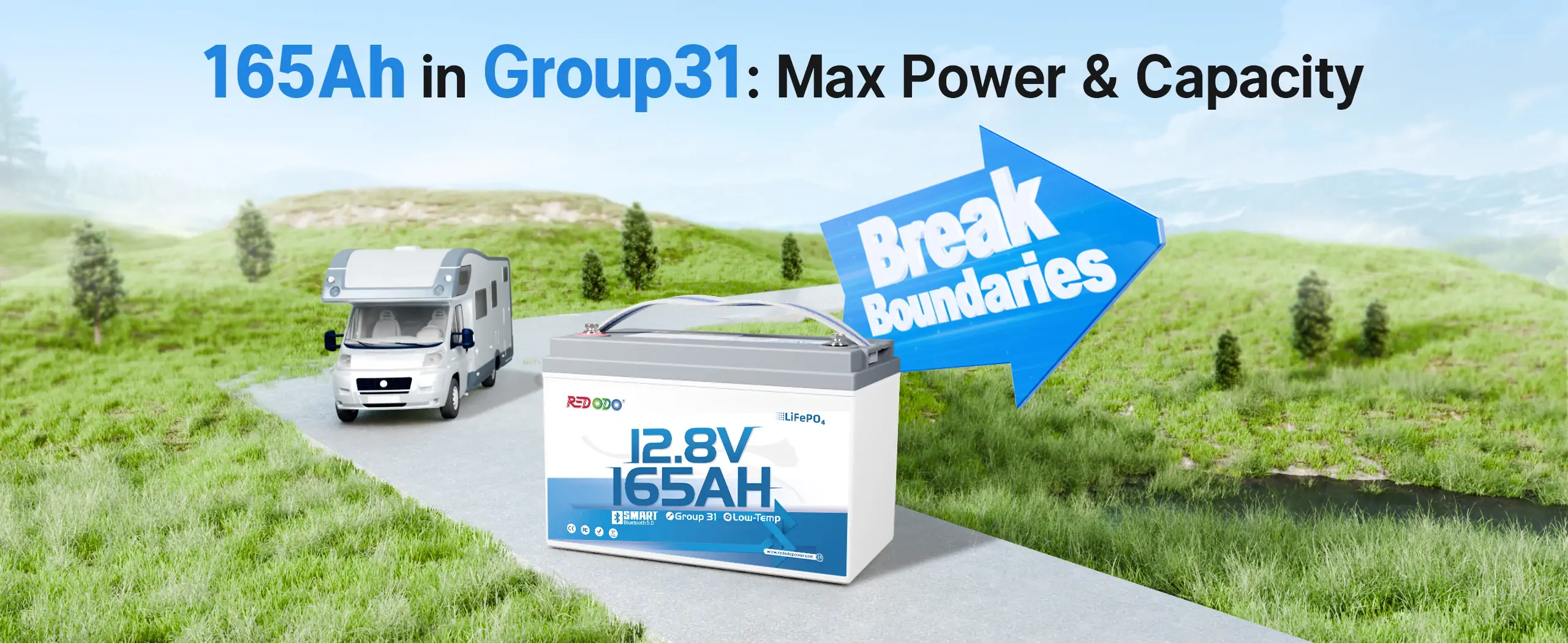
Redodo 12V 165Ah Group 31 Lithium RV Battery
Long Lifespan
LiFePO4 batteries typically last 4–10 times longer than lead-acid batteries, making them a cost-effective investment over time.
Maintenance-Free
No need to check electrolyte levels or clean corrosion. Lithium batteries eliminate routine maintenance, saving time and effort.
Low Self-Discharge Rate
With only 2–3% monthly self-discharge, lithium batteries retain their charge much longer during storage, reducing the risk of unexpected power loss.
Better Deep Discharge Capability
LiFePO4 batteries can handle deeper discharges without permanent damage. They offer greater reliability if the battery is accidentally drained.
More Usable Capacity
LiFePO4 batteries offer 2 times more usable capacity than lead-acid, because they can be safely discharged up to 80-100% without damage, while lead-acid batteries are typically limited to about 50%.
Designed for modern energy needs, Redodo lithium RV batteries deliver stable performance, lightweight design, efficient power, and long lifespan for RV and off-grid use, making them an excellent upgrade for worry-free storage and travel.

Not sure which RV battery is right for your RV style and power needs? Check out our RV Battery Power System Guide to find the perfect match for your adventure!
Tips to Extend Your RV Battery Life
Taking a few simple steps can significantly extend the lifespan of your RV battery and improve its overall performance:
Avoid Deep Discharges
Try not to drain your battery too low. Keeping it within a healthy SOC range of 50%-80% helps prevent long-term damage.
Store in Moderate Temperatures
Avoid extreme heat or freezing conditions, as temperature stress can shorten battery life. The ideal storage temperatures for lead-acid and lithium batteries are typically between 10°C and 25°C (50°F to 77°F)
Clean and Inspect Regularly
For lead-acid batteries, clean terminals and check for corrosion. For all types, ensure connections are tight and secure.
Limit Parasitic Loads
Disconnect the battery or remove unnecessary devices when the RV is not in use to prevent slow energy drain.
Frequently Asked Questions
Why does my RV battery keep dying during storage?
The most common reasons include parasitic power drain, lack of proper disconnection, natural self-discharge, extreme temperatures, and insufficient maintenance. Even small electrical loads can slowly drain the battery over time.
Should I disconnect my RV battery when storing it?
Yes, disconnecting your battery (or using a battery disconnect switch) is one of the best ways to prevent unwanted power drain during storage.
Can a completely dead RV battery be recharged?
In some cases, yes—especially if it hasn’t been deeply discharged for too long. However, repeated or prolonged deep discharge can permanently damage the battery, particularly for lead-acid types.
Conclusion
A dead RV battery after storage is usually not a sudden failure, but the result of gradual and preventable factors like parasitic drain, improper shutdown, or lack of maintenance. By understanding these causes and applying the right solutions, you can significantly reduce the risk of battery failure.
For RV owners looking for a more reliable and low-maintenance solution, upgrading to a lithium battery can make a noticeable difference. With better performance, longer lifespan, and improved storage stability, it helps ensure your RV is always ready for the next adventure.
Read More:
5 Ways for Charging an RV Battery: Best Practices
4 Signs to Know If RV Converter Is Charging Battery

Redodo
Redodo
Join Redodo
Related Post

Best Portable Battery for Overlanding 2026: Buyer’s Guide

How to Live in an RV Full-Time: A Complete Beginner’s Guide

How To Test a Battery with a Multimeter? (Step-by-Step)

5 Best 48V Lithium Batteries for Golf Cart in 2026

What Battery to Run a Fish Finder and Livewell All Day?
Related Products

🔥【Sale-$367 After Subscribe】Redodo 12V 165Ah Group 31 Bluetooth Lithium Battery | For RV, Marine, Solar Home

🔥【Sale-Final $636】Redodo 12V 320Ah Mini Bluetooth Lithium Battery | Best for Boondocking, Long Road Trip, Desert Trip, Home Backup

🔥【Sale-$244 After Subscribe】Redodo 12V 100Ah Group 31 Bluetooth Lithium Battery | Real-Time Battery Monitoring | For RV, Marine, Solar

Redodo 12V 100Ah LiFePO4 Lithium Battery | Best Budget | For RV, Solar, Trolling Motor

Redodo 12V 300Ah Lithium LiFePO4 Battery | Replaces 6*12V 100Ah AGM Batteries | For RV, Marine, Home battery backup