10 Kayak Fishing Essentials for a Successful Trip
Kayak fishing combines the thrill of angling with the freedom of exploring shallow waters, lakes, rivers, and coastal areas. But before heading out, knowing what to take kayak fishing can make the difference between a relaxing day on the water and a frustrating experience.
A well-prepared angler needs more than just rods and bait. Safety gear, storage solutions, navigation tools, and reliable power sources are all part of a complete kayak fishing gear list.
This guide covers the top 10 kayak fishing must haves to help you stay safe, organized, and powered during your next trip.
Table of Content

Top 10 Kayak Fishing Essentials for Perfect Fishing Trips
1. Personal Flotation Device (PFD)
A high-quality personal flotation device is the first item on every kayak fishing gear list. Even experienced anglers can encounter unexpected currents, strong winds, or sudden weather changes.
Look for a fishing-specific PFD that offers multiple storage pockets, breathable materials, comfortable arm mobility, and high-visibility colors.
A slim fishing PFD allows you to paddle and cast comfortably while keeping essential tools within easy reach.
2. Fishing Rods and Tackle
Bringing the right rods and tackle depends on your target species and fishing location. However, kayak anglers should avoid overpacking.
A simple setup often works best, including:
- One or two rods
- Compact tackle trays
- Soft plastic baits
- Pliers and line cutters
- Spare hooks and weights
3. Kayak Crate or Storage System
Storage organization becomes critical in a kayak. A dedicated fishing crate keeps your gear secure and easy to access without cluttering the deck.
Waterproof crate storage is highly recommended, because kayak decks are constantly exposed to splashes and moisture.
4. Anchor or Stake-Out Pole
Wind and current can quickly push a kayak away from productive fishing spots. An anchor system or stake-out pole helps maintain position quietly without disturbing fish.
Choose based on your fishing environment. Anchor systems are best for deep lakes, coastal fishing, and strong currents environment. While stake-out poles are ideal for shallow water, flats fishing, and marsh areas.
5. Fish Finder and GPS
Modern kayak fishing heavily relies on electronics. Fish finders help identify underwater structure, fish locations, and water depth, while GPS improves navigation and safety.
Compact fish finders designed for kayaks are now more affordable and efficient than ever. However, these electronics require dependable battery power.
6. Lightweight Marine Battery
A dependable power is essential for a successful fishing trip. Traditional lead-acid batteries are heavy and bulky, making them less suitable for kayaks where space and weight matter.
Lithium marine batteries offer lightweight design, longer runtime, and better durability for kayak fishing. The reduced weight helping maintain better speed, stability, and portability.
Lithium also provides stable voltage and longer-lasting power output, which is especially useful when running fish finders or trolling motors for extended hours.

Redodo 12V 100Ah Trolling Motor Lithium Battery for Kayak
7. Trolling Motor
Many kayak anglers now use trolling motors to cover larger distances with less physical effort. A trolling motor helps conserve energy and allows more time for fishing. It also provides easier navigation and better boat control, allowing you to explore distant fishing areas.
Pairing a trolling motor with a lightweight trolling motor battery creates an efficient and portable power system ideal for kayaks.
Waterproof battery boxes and sealed connectors also help protect battery systems from splashes and corrosion.
8. Water and Snacks
Staying hydrated and energized is one of the most overlooked kayak fishing essentials, especially during long hours under the sun. Paddling, casting, and navigating the water can quickly drain energy, even on cooler days.
Always bring enough drinking water for the duration of your trip. Many experienced kayak anglers use insulated bottles or hydration packs to keep water easily accessible while fishing.
Compact, non-perishable foods work best because storage space on a kayak is limited. If you plan on full-day fishing trips, packing a small cooler or insulated storage bag can help keep drinks and food fresh.
9. Safety Emergency Gear
Safety equipment is one of the most critical kayak fishing must haves, especially when fishing alone or in remote areas. Weather conditions can change quickly, so always prepare for emergencies before launching.
Important safety items include:
- First aid kit
- Whistle
- Headlamp
- Emergency knife
- Paddle leash
- Bilge pump
- Marine radio or phone case
10. Proper Clothing and Sun Protection
Comfort affects endurance during long fishing trips. Proper clothing helps regulate temperature and protects against sun exposure. Layering is especially important during early morning launches or changing seasonal conditions.
Recommended items include:
- Moisture-wicking shirts
- UV-protection clothing
- Polarized sunglasses
- Fishing gloves
- Wide-brim hats
- Waterproof footwear
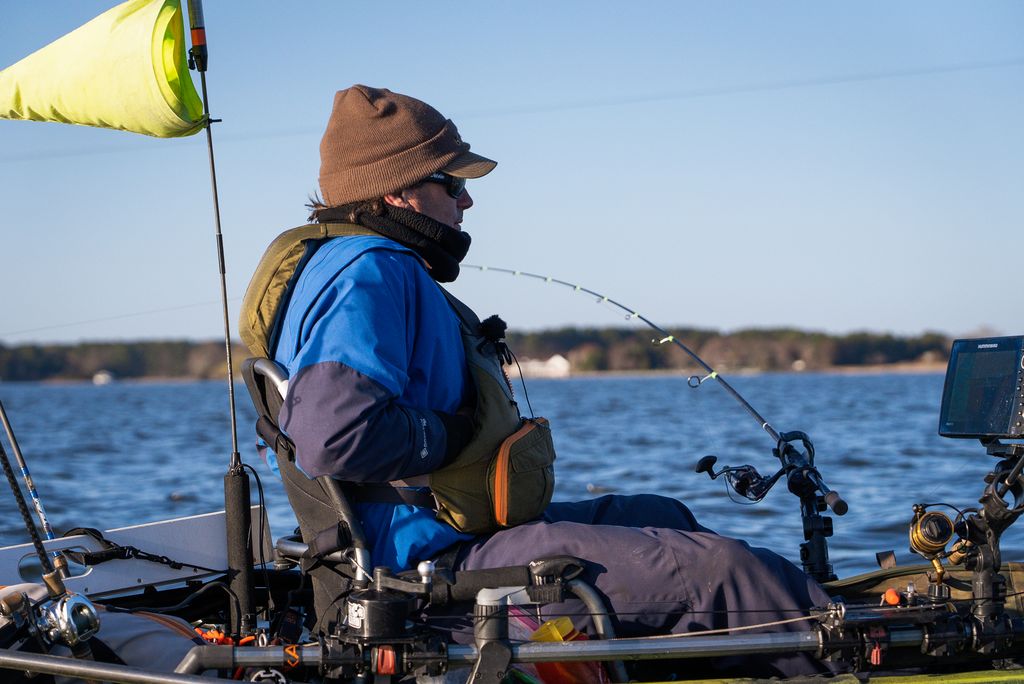
Image by in4adventure.com
Tips to Build the Best Kayak Fishing Setup
The ideal kayak fishing setup balances mobility, organization, and power efficiency. When building your setup:
Prioritize Lightweight Gear
Every pound matters on a kayak. Lightweight batteries, compact tackle, and streamlined storage improve handling and reduce fatigue.
Focus on Reliable Power
Electronics have become essential for modern kayak fishing. Choosing a dependable lithium kayak battery ensures your fish finder, GPS, and trolling motor remain operational throughout the trip.
Keep Safety Accessible
Safety equipment should always remain within arm’s reach rather than buried in storage compartments.
FAQs About Kayak Fishing Essentials
Why are lithium batteries better for kayak fishing?
Lithium batteries are lighter, last longer, charge faster, and provide more stable power than lead-acid batteries. Their lightweight design makes them ideal for kayaks where space and weight are limited.
Do I need a trolling motor for kayak fishing?
No, but it’s recommended. A trolling motor can improve efficiency and reduce fatigue, especially on larger lakes or windy conditions. Many anglers pair trolling motors with compact lithium marine batteries for better portability and runtime.
How long does a kayak fish finder battery last?
Battery runtime depends on capacity and electronics usage. A 20-50Ah lithium battery can often power fish finders and small electronics for an entire fishing day while maintaining stable voltage.
Related Reading: What Size Fish Finder Battery Do I Need?
Conclusion
Knowing what to take kayak fishing helps create a safer, more productive, and more enjoyable experience on the water. From safety gear and tackle storage to trolling motors and fish finders, every item plays an important role in your success.
Whether you are preparing your first kayak fishing trip or upgrading your current setup, focusing on lightweight, efficient, and dependable equipment will help you spend more time fishing and less time dealing with limitations on the water.
Read More:
How Fast Will a Kayak Go with a Trolling Motor?

Redodo
Redodo
Join Redodo
Related Post

What is SOC in Lithium Battery and Why Does It Matter?

Best Portable Battery for Overlanding 2026: Buyer’s Guide

How to Live in an RV Full-Time: A Complete Beginner’s Guide

How To Test a Battery with a Multimeter? (Step-by-Step)

5 Best 48V Lithium Batteries for Golf Cart in 2026
Related Products

Redodo 12V 100Ah 900 CCA Group 27 Dual Purpose Marine Battery with OTA Bluetooth Auto-Heating

Redodo 12V 165Ah 1200 CCA Group 31 Dual-Purpose Lithium Marine Battery | Starting • Trolling • Electronics— All from One


Redodo 24V 50Ah Bluetooth Lithium Trolling Motor Battery | For 24V Trolling Motors with up to 100 lbs

Redodo 36V 50Ah Lithium Trolling Motor Battery for 36V Trolling Motors with 100-120 lbs


Redodo 12V 100Ah LiFePO4 Lithium Battery | Best Budget | For RV, Solar, Trolling Motor


Redodo 12V 100Ah Group 31 Bluetooth Lithium Battery | Real-Time Battery Monitoring | For RV, Marine, Solar